Decolonisation, exile and cross-border media cooperation
Journalists, writers, film-makers, artists and culture critics from Ukraine, Russia, Kazakhstan, Armenia, Iran, Iraq, Turkey and Estonia, among others, discussed decolonisation, life in exile, and media cooperation across the dividing lines of war at the Fritt Ord Foundation’s premises.
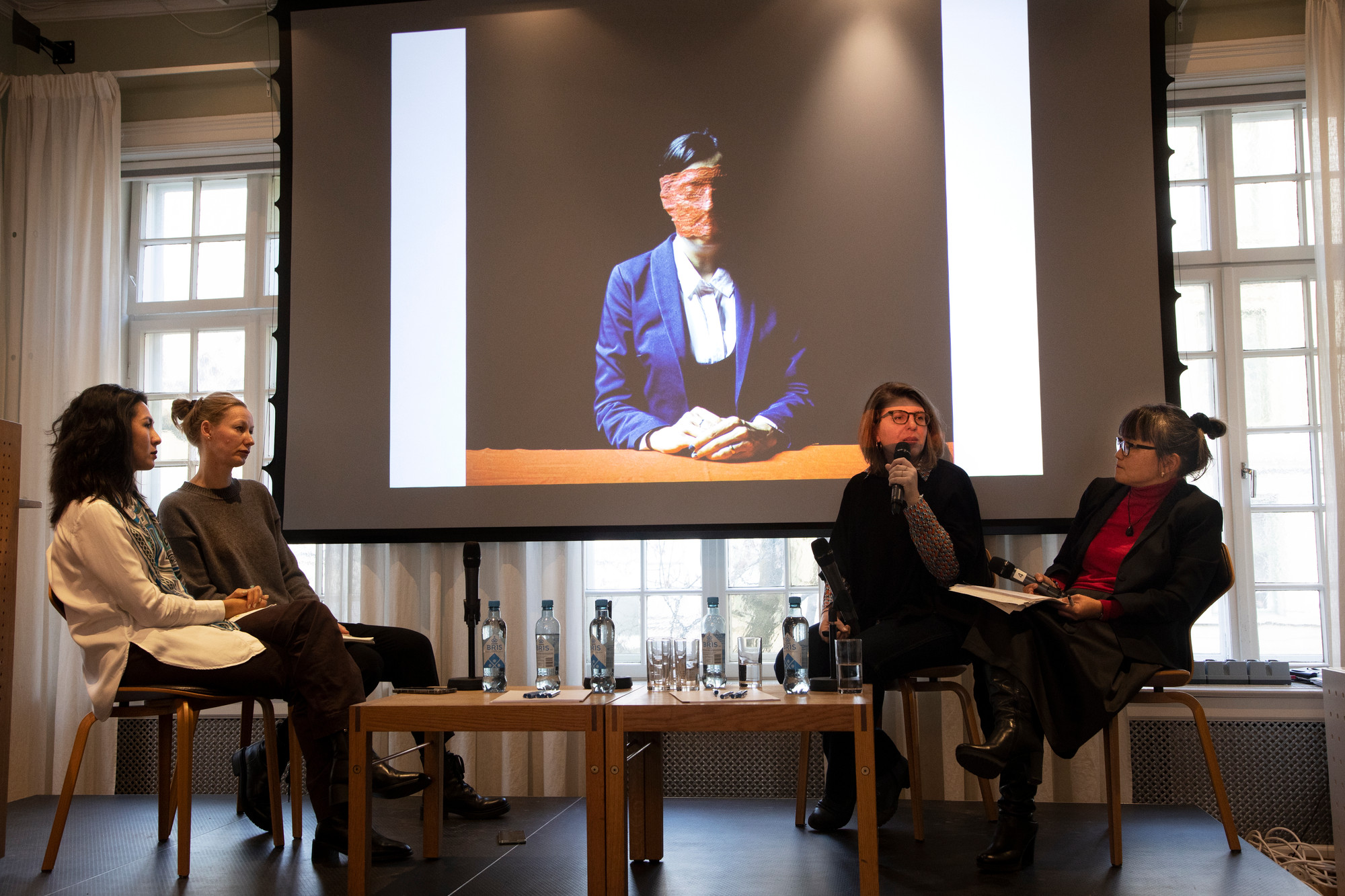
The war in Ukraine has stepped up the intensity of many debates that have been ongoing for quite some time. At the event War, Memory, Identity: A Global Dialogue held at the Fritt Ord Foundation’s premises on 6 December 2022, different panels delved into issues involving exile, decolonisation, memories, documentation and history, discussing how writers, film-makers, journalists and others can tell stories, both now and later. The meeting was organised by Fritt Ord and the Open Society Foundation.
Decolonisation after the Russian empire
One of the panels consisted of a discussion between the Armenian photographer Nazik Armenakyan, the Kazakh cultural manager Saule Mamayeva and the Estonian artist Kristina Norman about the influence of Russian culture on Russia’s neighbouring countries. Among other things, they talked about whether it is appropriate to talk about post-colonialism and decolonisation in the aftermath of the Soviet Union and the Russian empire. Panel chair Inna Sangadzhieva of the Helsinki Committee believes that to be the case.
“Many say the Soviet Union was dissolved without a blood bath, but that is not entirely true. The dissolution of the Soviet Union is happening now”, she says.
“Freedom is democracy, and when the empire’s ideals break down, as they have done in Ukraine, this means the end of the empire, ideologically speaking.
Statue debate
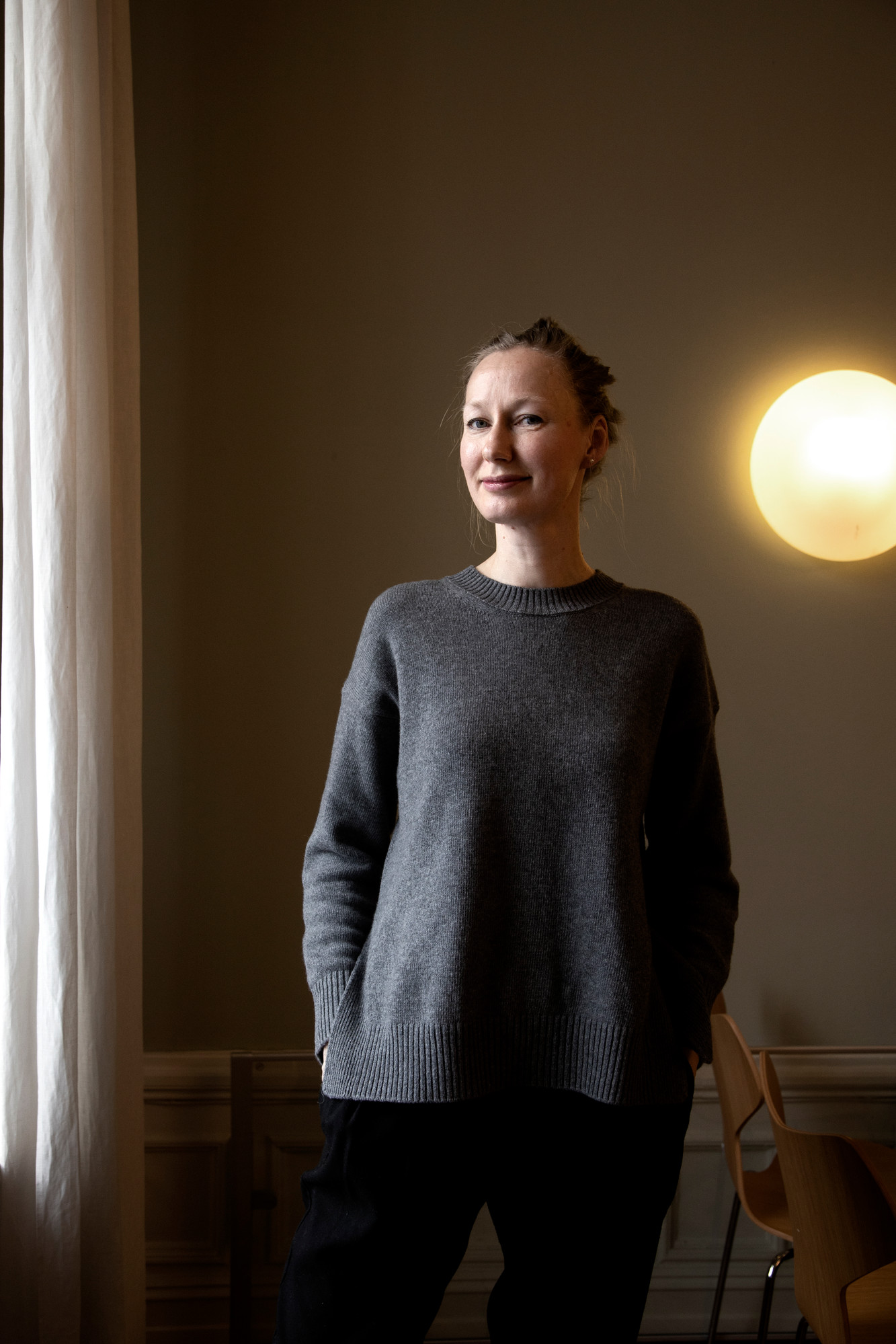
Kristina Norman talked about the importance of preserving history, even the history one does not like. Even though Estonia clearly moved very far from its Russian and Soviet past after it broke away from the Soviet Union in 1991, many Estonian people still speak Russian.
“It is so easy to mobilise people by conjuring up a picture of the enemy, but the worst thing we can do in a hybrid war is to reject the segment of the population that is least integrated”, she mentioned, referring to Russian speakers in Estonia and the other Baltic countries.
Norman felt it was slightly insensitive to remove too many Soviet monuments too quickly. On the other hand, the Ukrainian Russian-speaking director Vitaliy Mansky, who lives in Latvia, felt it was positive and promoted integration to tear down monuments.
“Russia’s President Putin is trying to reiterate the history he learned as a KGB agent”, he added.
Prolonged exile
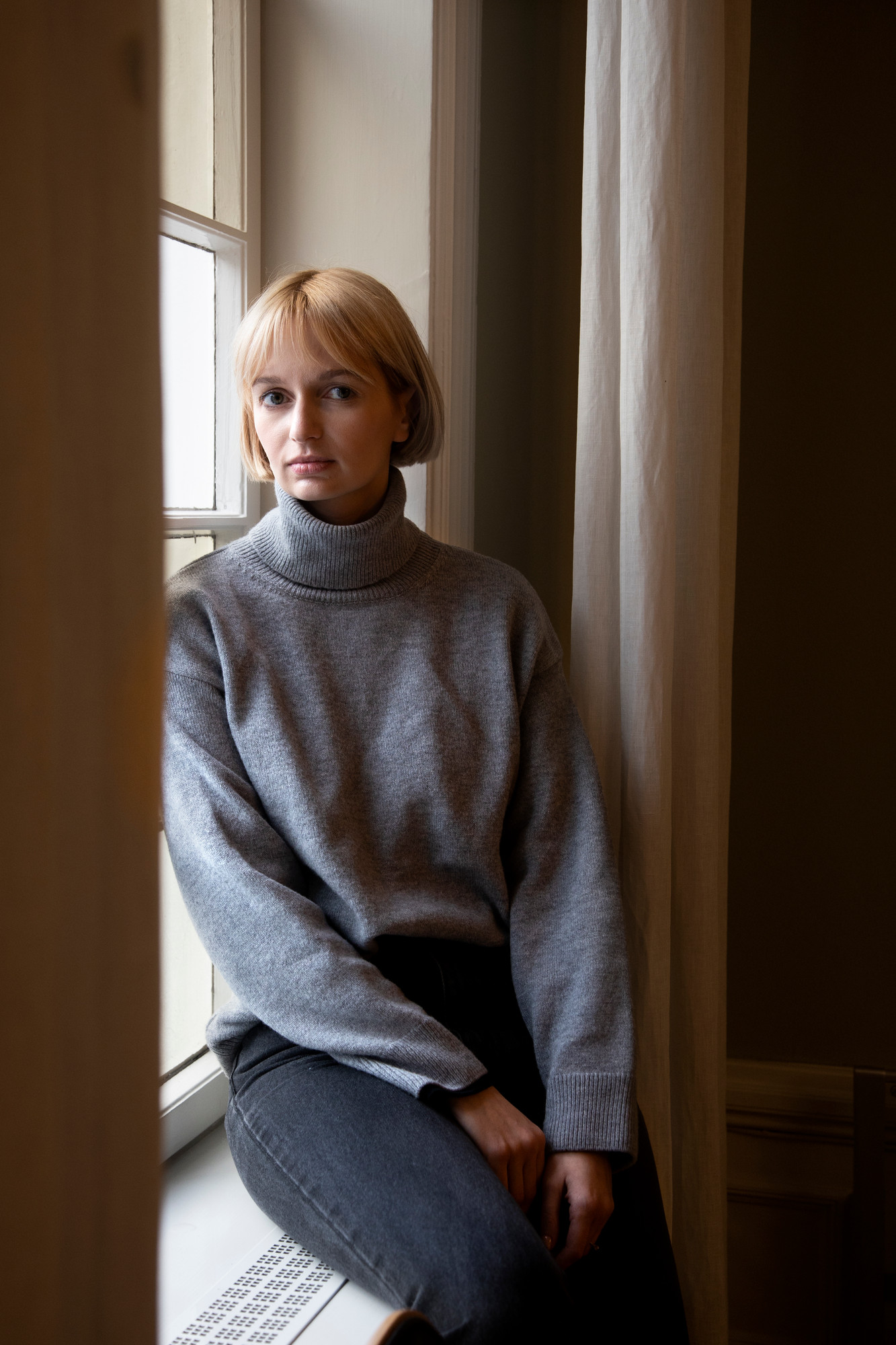
Armenakyan and Mamayeva talked about the current stream of Russian journalists and writers who are moving to the Caucasus and central Asia in response to growing oppression in Russia, and the intense effect this has on the cultural life of the countries that accommodate them.
“Exile Russians are amazed by how much freedom of expression there is in Kazakhstan. Of course, we are at an extremely low level, which says a lot about conditions in Russia at the moment”, commented Mamayeva.
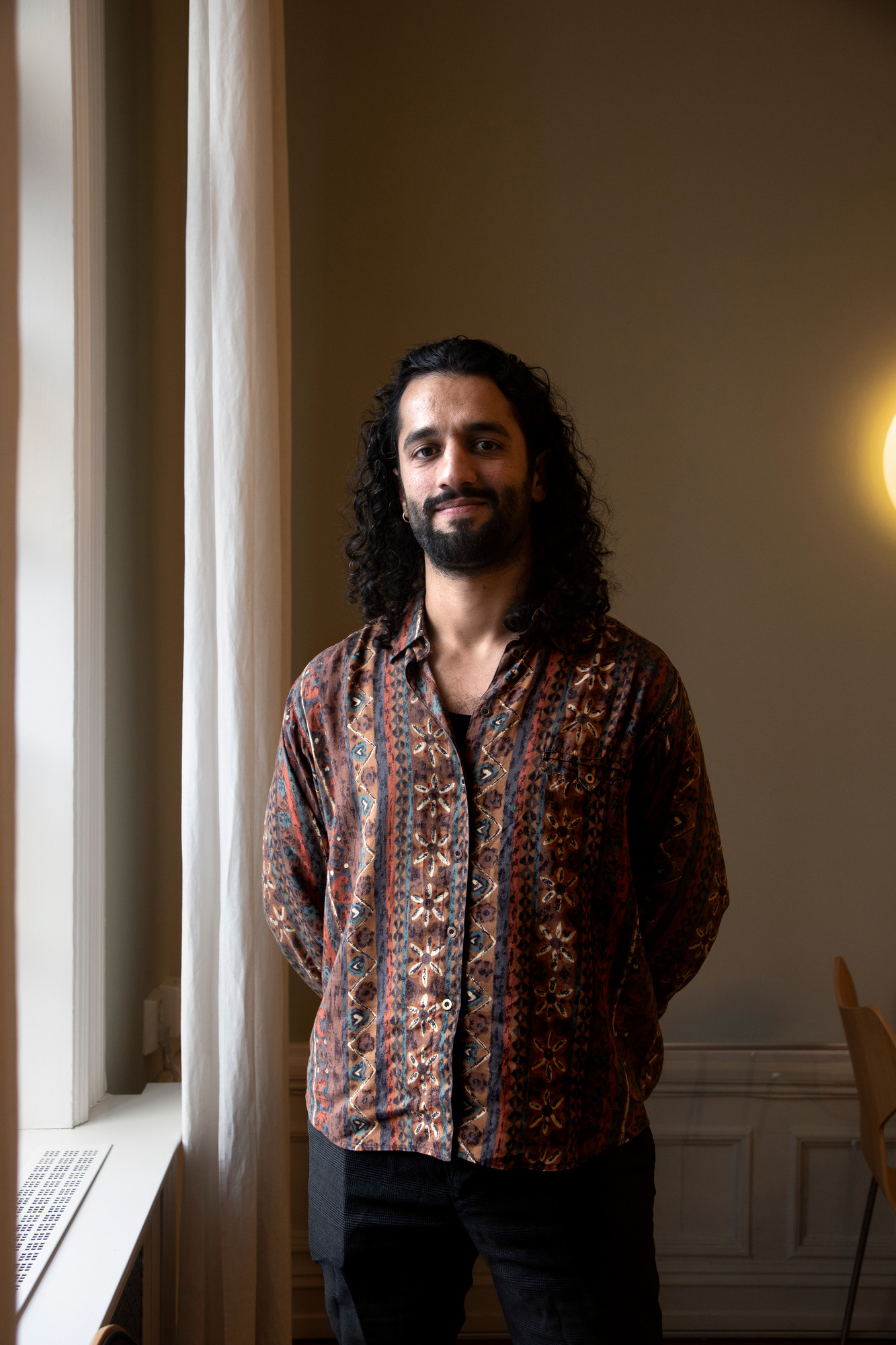
In another panel, Turkish Erden Kosova, Iranian Amina Maher, Afghani Shahrbanoo Sadat and Iraqi Karrar Al-Azzawi discussed the different ways in which they are living in long-term exile from their home countries, and how the new diaspora moving out of Ukraine, Belarus and Russia can learn from their experiences. They also pointed out that exile due to conflicts often lasts much longer than initially expected.
New ways of reporting on the war
A third panel discussed how new – and traditional – media work together to report on the war in Ukraine.
“We cannot rely on the information provided by the Russian authorities”, stated Aleksandr Polivanov of the Russian-language fact-checking service ‘Help Desk Media’.
Polivanov and Help Desk Media are among the many organisations and editorial boards now providing information about the war in Ukraine, in Russian, from bases outside of Russia and Russia’s state censorship.
The panel also included PBS News Hour journalist Simon Ostrovsky, who covers Ukraine, Seva Boyko and Oleg Antonenk from the podcast ‘What happened?’ and Anna Filimonova and Aleksej Ponomarev from the podcast ‘Kavatsjaj’. ‘Kavatsjaj’ is newly established, and the co-workers were interviewed by the Norwegian newspaper VG about their cross-border cooperation.
Although the ‘What happened?’ podcast has been broadcast since 2014, in March and April 2022, its audience expanded very quickly. Many of their sources are native speakers of Ukrainian, but they are nevertheless willing to be interviewed in Russian because they want Russian listeners to hear and understand what is currently taking place inside Ukraine. Filimonova fears that fuzziness about facts will, in itself, be a goal for Russian propaganda.
“The goal is to get listeners to believe that ‘all sides may be lying’, so that they ultimately fail to trust any of what they hear about the war”, she stated.
Fact-based stories are therefore essential.