– Til Oslo for diskutere krig på tvers av krigens skillelinjer
Journalister, forfattere, filmskapere, kunstnere, kulturkritikere og andre kulturprofiler kommer til Oslo, for gjennom debatt og samtaler utforske spørsmål om eksil, kolonialisme, konflikt og samarbeid – på tvers av krigens skillelinjer.
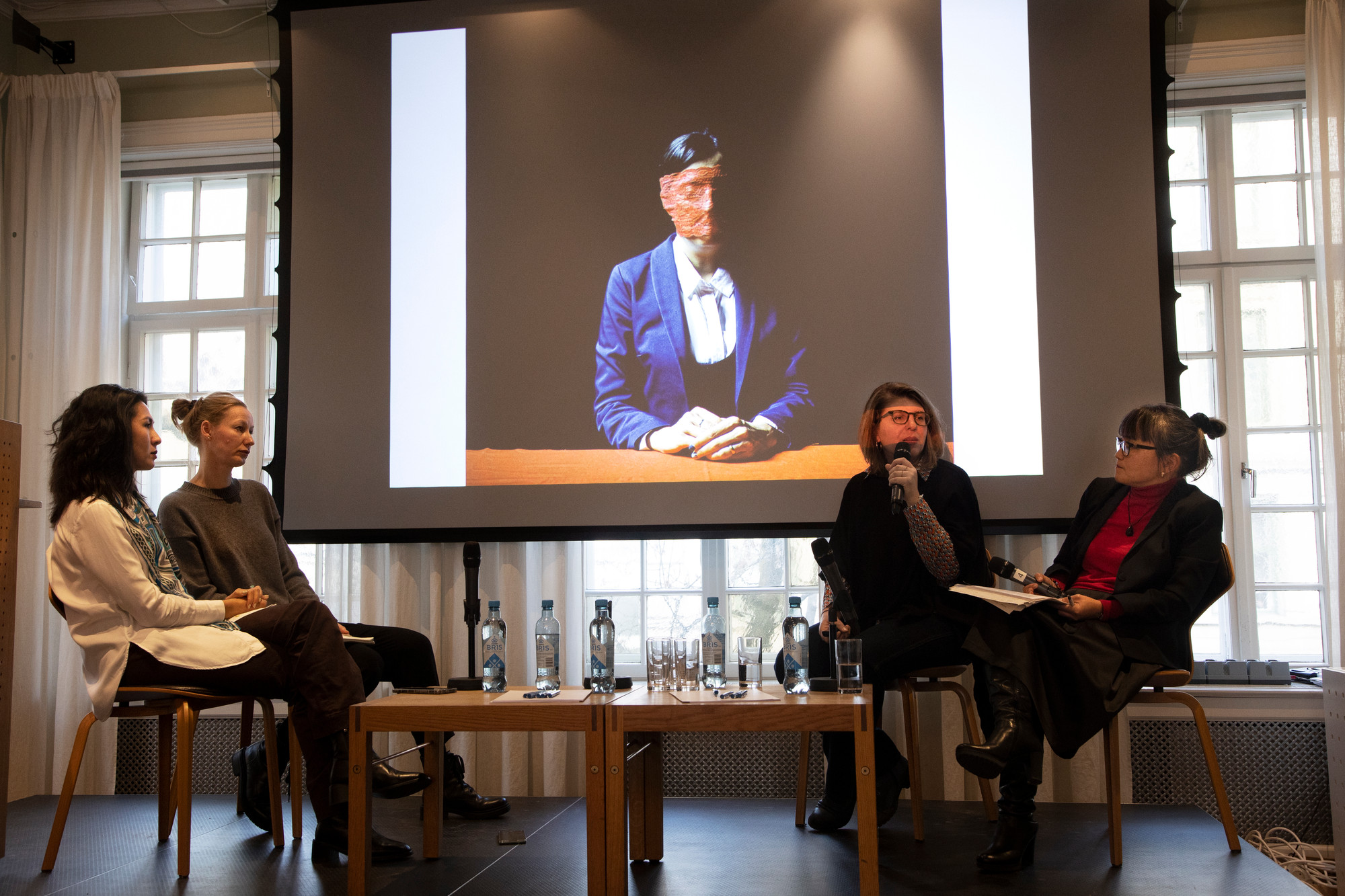
Stiftelsen Fritt Ord og Open Society Foundation står for arrangementet.
Tid og sted: Fritt Ord, Uranienborgveien 2, Oslo, 6. desember klokken 1000-1630.
Navn som kommer
Blant mange interessante navn som kommer til Oslo denne dagen er journalist og Pulitzer-vinner Simon Ostrovsky fra PBS NewsHour og vertene på BBCs daglige podkast «What happened?» Seva Boyko and Oleg Antonenko, dokumentarfilmskaper og gründer av Artdocfest, Vitaliy Mansky, faktasjekkeren Helpdesk Media og installasjonskunstner Kristina Norman fra Estland. Flere nye medier, som har funnet nye måter å dekke krigen på etter invasjonen begynte i februar, deler sine erfaringer. BBCs podkast What Happened og Kavachai Podcast, som også kommer er eksempler på plattform der både russere og ukrainere samarbeider om å snakke om krigen.
Shaping of the memory
The program will be conducted in English. Through panel discussions and conversations with artists, historians, human rights activists and media professionals, we will examine questions of exile, colonialism, memory, and collaboration across lines of war.This event follows a one-day event on Ukrainian culture and its role in shaping Ukraine’s awe-inspiring resistance in the face of Russian brutality and aggression. On 6 December we will explore the global repercussions of conflict on artists’ identities, the shaping of memory, how war narratives are developed through new storytelling mediums, and the role these documented stories will play in accountability and documentation efforts. We will examine in depth two central issues and subjects of debate that are playing out in this war and more globally: colonialism and exile. The two are intimately connected, as the first presumes the influence and often physical presence of ‘other’ in your home, and the second compels you to become some sort of ‘other,’ having left home.
Programme
Time: 10:00 am – 11:15 am
Session I: Finding New approaches to Storytelling War
Moderator: Brechtje van de Moosdijk is the spokesperson for the National Public Prosecutor’s office in the Netherlands. She worked closely on the MH17 trial
Panel Abstract: As this war grinds on, what are the creative media that have emerged to keep the attention on Ukraine? We will hear from several media initiatives that have sprouted as the result of the war (Kavachai, Helpdesk), and from a large global media outlet (the BBC) about lessons they’ve been learning about reporting this war. Ten months in, what approaches are they taking to make sure that the world’s attention does not turn away?
Panelists:
● Seva Boyko and Oleg Antonenko are the hosts of BBC’s daily podcast ‘What happened?’
● Anna Filimonova and Aleksei Ponomarev are founders and hosts of the Kavachai Podcast
● Aleksandr Polivanov is the editor-in-chief of Helpdesk Media
● Simon Ostrovsky is a journalist with the PBS NewsHour
Coffee Break: 15 minutes
Time: 11:30 am – 12:45 pm
Session II: Creating art in a colonial context
Moderator: Inna Sangadzhieva is the director of Europe and Central Asia Department at the Norwegian Helsinki Committee
Panel Abstract: The war in Ukraine has brought new attention to the narratives of Russian colonialism. Though it has not traditionally been part of the western discourse on colonialism, many scholars and artists from the former Soviet space are grappling with the russification legacy and impact on their now independent states. We will examine these ideas with four prominent artists and cultural critics from across the post-Soviet space.
Panelists:
● Nazik Armenakyan is a founder of 4Plus, an independent documentary photography NGO in Armenia
● Saule Mamayeva is a cultural manager from Kazakhstan
● Kristina Norman is a visual artist from Estonia
Lunch: 12:45 pm – 13:45 pm
Time: 13:45 pm – 3:00 pm
Session III: Building Resilient Artistic Movements in Exile // If Exile is the New Home
Moderator: Gökçe Tüylüoğlu is in political exile from Turkey
Panel Abstract: Artists are usually primary targets by authoritarian governments in their quest to silence dissent. What does it mean to be an artist in exile? How do artists in exile find inspiration and the ability to create while dealing with trauma and a plethora of everyday challenges? What role does belonging/place play in art?
Panelists:
● Erden Kosova is a cultural critic from Turkey, based and working in Berlin
● Amina Maher is an artist and filmmaker from Iran
● Shahrbanoo Sadat is a filmmaker from Afghanistan
● Karrar Al-Azzawi is a filmmaker and photographer from Iraq, based and working in Lillehammer, Norway
Coffee Break: 15 minutes
Time: 3:30 pm – 4:30 pm
Session IV: Archiving the Present and Reconstructing the Future: Ukrainian Cultural Heritage and Collective Memory
Moderator: Simon Ostrovsky, journalist and documentary filmmaker
Panel Abstract: This war has been described as being not only about Ukraine’s statehood or its agency, but also about the destruction/distortion of cultural heritage and attempt to erase identities. We will engage in a wide-ranging discussion on how this impacts the nation’s collective memory. How has the weaponisation of history shaped war narratives? What does human rights documentation look like at a time of constant flow of information, and why is documentation important? How can art, film, academia be part of the effort to preserve memory inside the country and also for those who now live outside?
Panelists:
● Nataliia Gladkova works at Civil Rights Defenders
● Vitaliy Mansky is a documentary filmmaker and the founder of Artdocfest, currently based in Latvia
● Heorhii Kasianov is a Ukrainian historian, based at the Marie Curie-Sklodowska University in Lublin, Poland
● Elmira Ablyalimova works with Cultural Heritage of Crimea and is a former director of the Bakhchisarai Museum
End of program