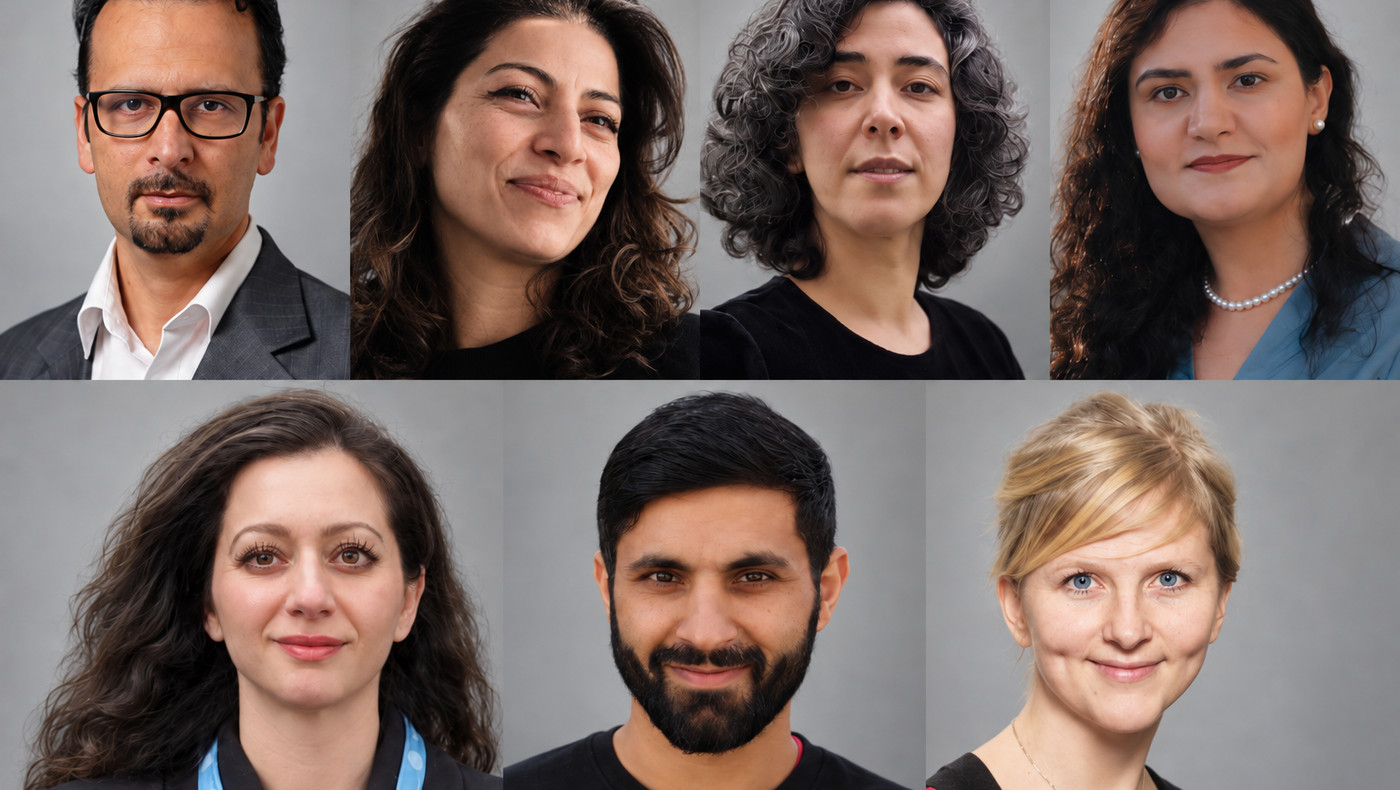
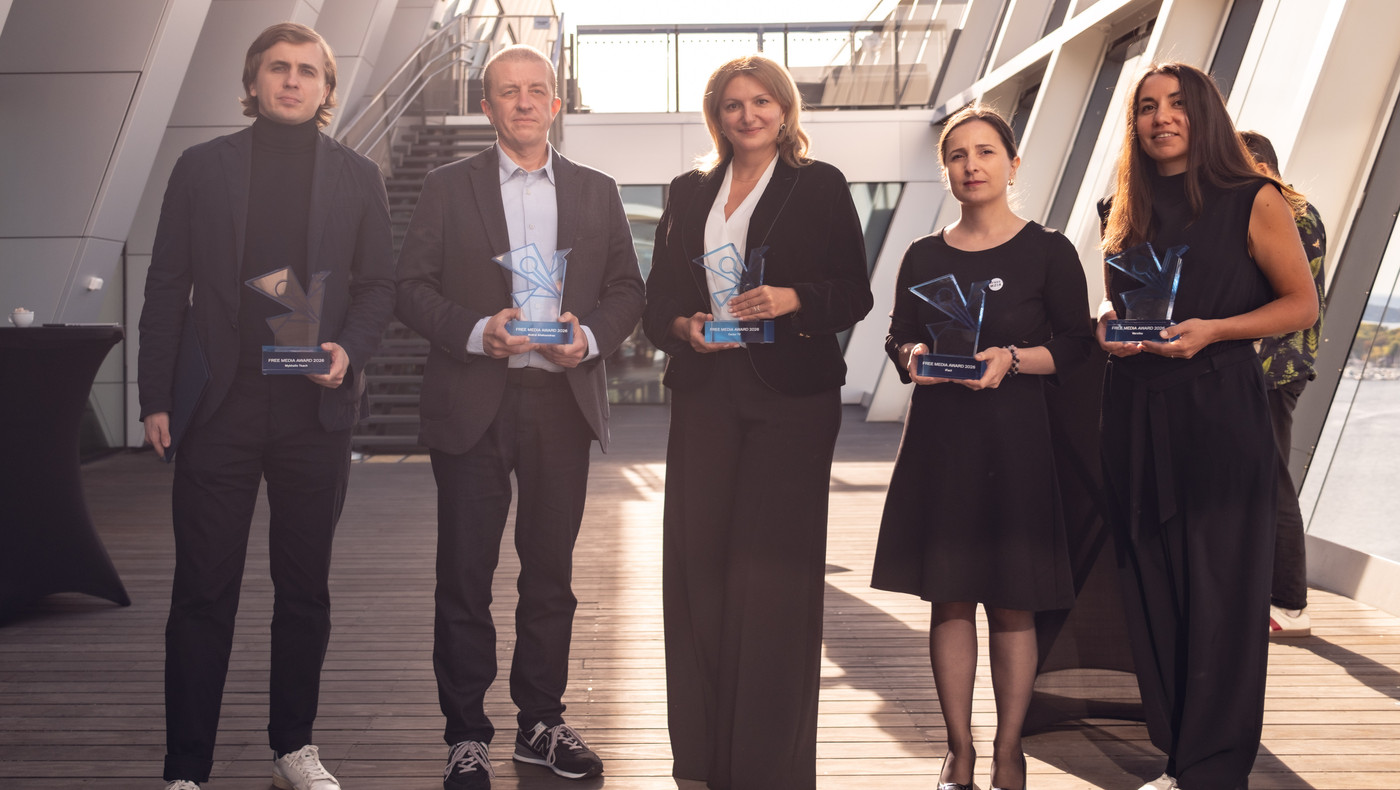
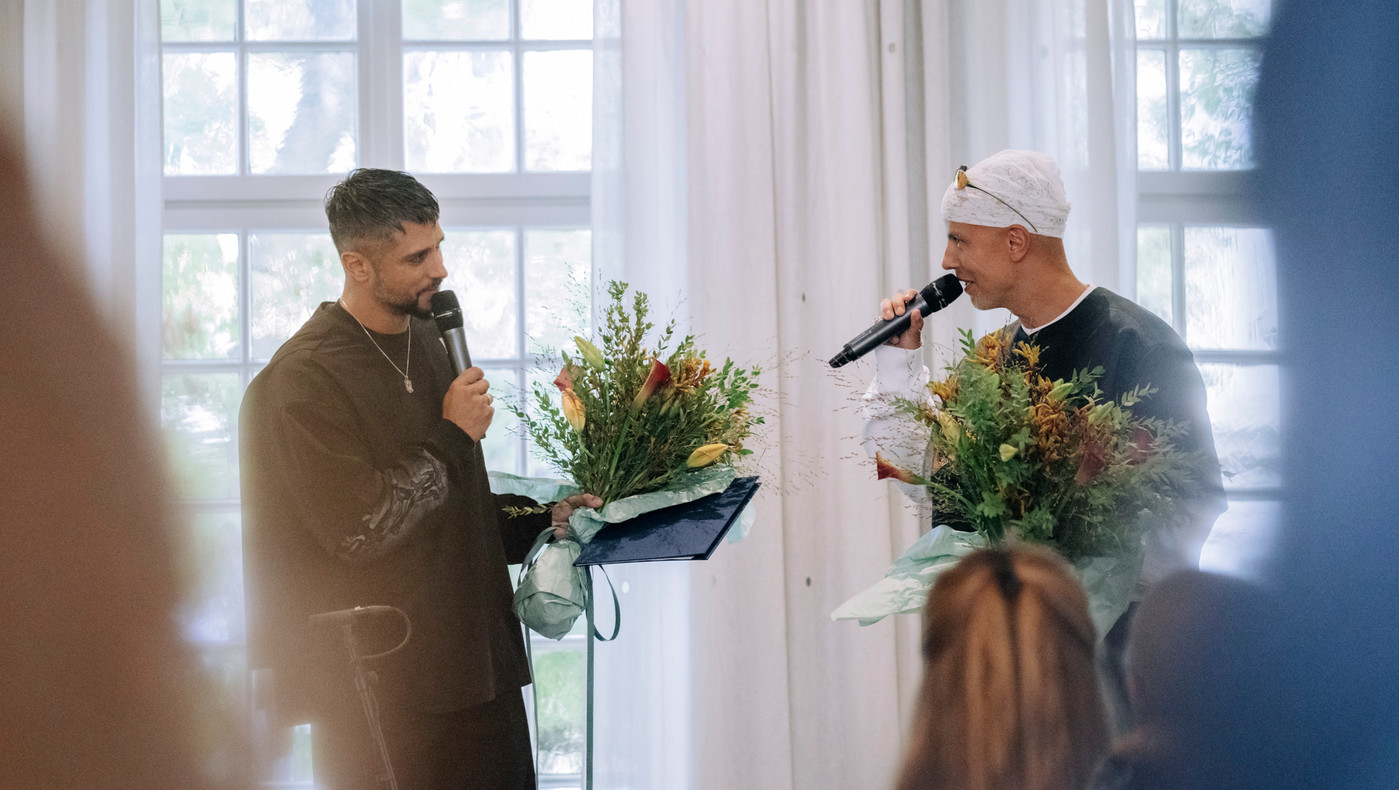
Tale under utdelingen av Fritt Ords og ZEIT-Stiftungs Pressepriser 2009 til Russland og Øst-Europa
Utenriksminister Jonas Gahr Støre
Det Norske Nobelinstitutt, Oslo, 3. juni 2009
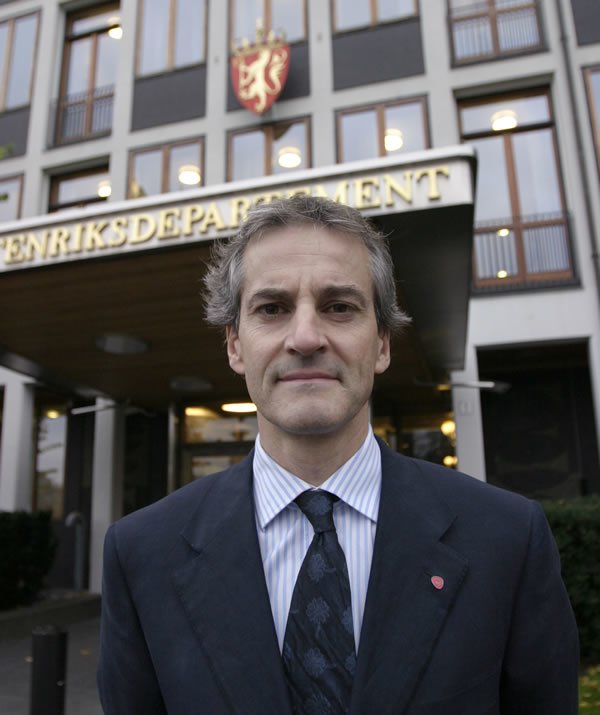
Honoured laureates, ladies and gentlemen, Meine Damen und Herren,
Any event taking place here at the Nobel Institute is influenced by the prestige and integrity of the Nobel Peace Prize. This building, with its walls and its halls, is a symbol of human dignity, human rights, conflict resolution and, not least, a symbol of freedom of expression.
In Andrei Sakharov’s Nobel lecture [the Nobel Peace Prize 1975], which Elena Bonner presented here in Oslo on 11 December 1975, he stated: “I am convinced that international confidence, mutual understanding, disarmament, and international security are inconceivable without an open society with freedom of information, freedom of conscience, the right to publish, and the right to travel … “.
An open society. With freedom of information.
1975. I was 15 when Andrei Sakharov was awarded the Nobel Peace Prize. It made a deep impression on me, not least that the Soviet regime denied him the right to come to Oslo to receive the prize and to speak. For me, this event represented a political awakening. And I remember very well the moving performance of Sakharov’s wife, Elena Bonner, when she spoke from the rostrum of the Oslo University Hall.
Every year Fritt Ord and ZEIT-Stiftung award press prizes to journalists and media in Russia and Eastern Europe that are outstanding in their field.
Last year former German Foreign Minister Joschka Fischer had the honour of greeting the winners in Hamburg. It is a privilege for me to follow up on that tradition here in Oslo today.
Fritt Ord and ZEIT-Stiftung are two foundations to be respected and admired. They work independently of governments and authorities in their respective countries.
They support independent institutions, media and journalists in other countries in exactly the same way – never asking the authorities what to do – or not to do – in the important task of promoting free speech. Both stick to their principles. Let me applaud this as yet another example of German-Norwegian civil society partnership.
The laureates present here today know better than many others what freedom of expression really means. You have taken on the mission to defend free speech in your own countries. The joint German-Scandinavian jury, chaired by “the grand old man” of German press, editor-at-large Theo Sommer of Die Zeit and member of the board of Trustees, ZEIT-Stiftung, has done a truly admirable job, making important choices – difficult choices of singling out the most worthy among many.
I welcome the laureates to Oslo, and am pleased you have come to our capital to receive your awards. You have travelled from Armenia, Azerbaijan, Belarus, Georgia and Russia.
Your visit coincides with a week during which freedom of expression has been placed centre stage by the Global Forum on Freedom of Expression. During this week we will hear testimonies from the frontline of the struggle for one of the most fundamental of our universal human rights. You are adding your words and voices to those of many others – in fact defenders of freedom of expression from 120 countries are represented in Oslo this week.
Last year we celebrated the 60th anniversary of the Universal Declaration of Human Rights. The Declaration establishes freedom of expression as a fundamental right.
Freedom of expression is recognised as a fundamental right because it is essential for the realisation and protection of other fundamental rights and freedoms, like freedom of assembly, the freedom of religion and the right to have access to information.
Today, however, restrictions on access to knowledge threaten not only to deny millions their human rights, but also to hold millions back economically and prevent them from developing their potential.
Sadly enough, this does not only happen in places so-called “far away”. There are government restrictions on news and information in a number of countries, also in Europe. And censorship is taking a variety of new forms.
The list of challenges is long and daunting.
New information technology holds the potential to strengthen the opportunity to exercise the freedom of expression. But it is also true that new obstacles emerge as technology develops.
We see cases of Internet censorship and surveillance.
We see cases of You Tube being blocked.
We see violence, imprisonment and harassment of journalists.
We see organised crime and impunity for human rights abuses.
We see restrictions on access to information.
We see defamation suits, unlawful fining by the tax authorities and strict media laws.
We see restrictions on radio broadcasts by foreign radio stations and the withdrawal of broadcasting licenses.
We see new kinds of authoritarianism in countries undergoing economic liberalisation.
And we see media and information challenges in the wake of the so-called war on terror.
The contemporary challenges are manifold. Concentration of media ownership, for example through mergers and acquisitions, may define the room for expression and the exchange of opinions. And, finally, the financial crisis has hit many media companies and publishing houses hard during the last year.
All of these trends may indicate that the space, the room, for freedom of expression is not growing wider. Perhaps it is rather growing smaller, more narrow, more complicated and more restrictive. I hope I am wrong.
Dear friends,
Our mission – during this week and in the weeks and months and years to come – should be to strengthen freedom of expression in general and independent media in particular.
The award winners have engaged in that mission. Let us use this week to exchange ideas and perspectives to enhance, anchor and promote freedom of opinion and expression.
And let us challenge the free media to do their part of the job. By telling the stories of people’s struggle, pain and courage, the media can empower vulnerable and voiceless groups in society.
Independent media are crucial in our efforts to promote democracy, prevent war and violent conflict, and fight corruption. When independent media function well, governments and politicians – like myself – are held accountable.
The media can put a spotlight on intolerance and expose injustice, discrimination and corruption.
Dear friends, honoured laureates,
Please continue your important work. Please do not loose your courage. Please go on exercising your right to freedom of expression.
I’ll conclude by quoting the obituary of Anna Politkovskaya (published in The Times on 9 October 2006): “She told the stories of people, in Chechnya and the Caucasus. (…). She was motivated not by political conviction but by the determination to report what she saw accurately. (…) She never compromised her journalistic analysis for political purposes. (…) As somebody who refused to be silenced by bribery or threats, Anna Politkovskaya was for many in power an awkward presence on the media scene”.
In memory of her.
Thank you.
Kilde: www.regjeringen.no